Mail Us
sgk.spinesurgeon@gmail.com
Call Us
+91-9597600553
sgk.spinesurgeon@gmail.com
+91-9597600553
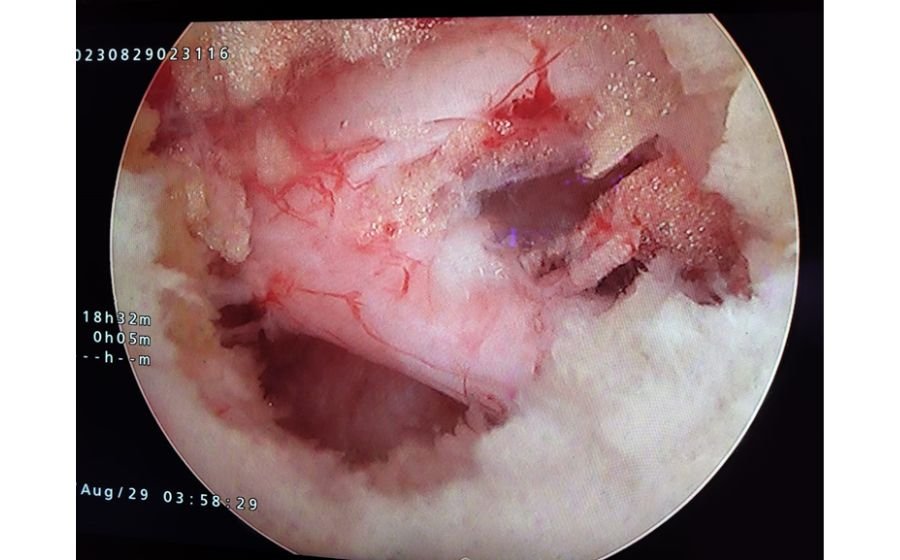
A lumbar discectomy is performed when a slipped or herniated disc presses on the sciatic nerve, causing leg pain, numbness, or weakness. Only the portion of the disc that is pinching the nerve is removed, preserving as much of the healthy disc as possible. Minimally invasive techniques allow smaller cuts, less muscle damage, and faster recovery. This procedure provides quick relief from leg pain and helps patients return to normal activities sooner.
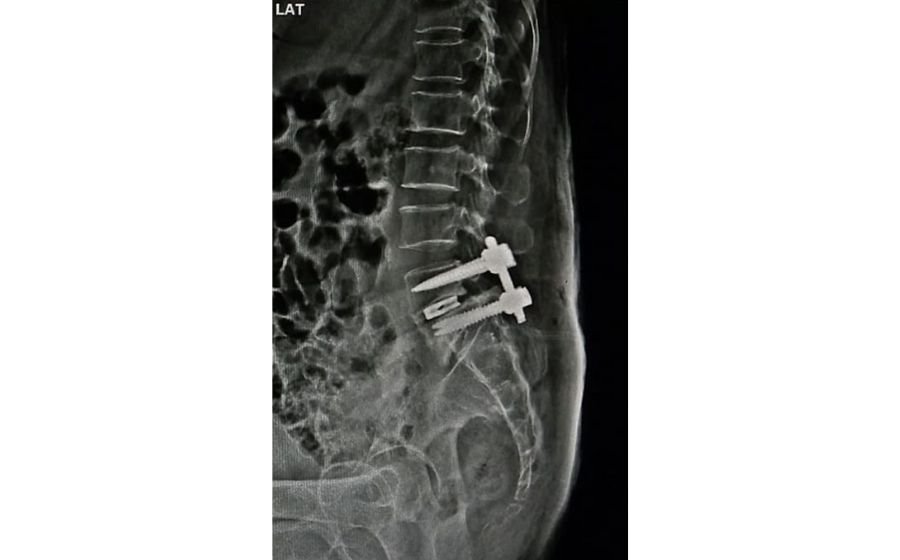
TLIF is a minimally invasive fusion procedure used to treat instability, severe disc degeneration, or nerve compression in the lower back. Through a small approach from one side, the damaged disc is removed and replaced with a cage to restore height and alignment. Screws and rods are added to stabilize the spine while it fuses. TLIF helps relieve leg pain, corrects instability, and provides long-term support for improved mobility and daily function.
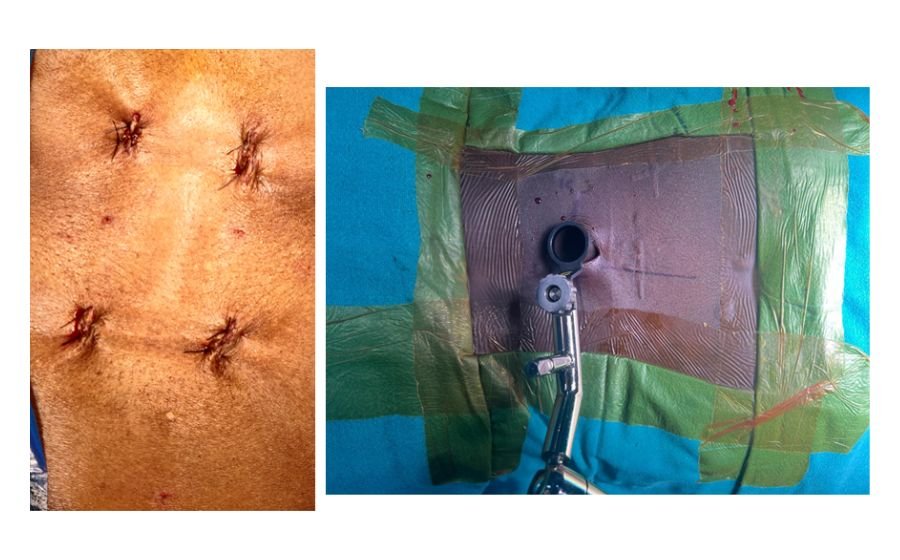
Minimally invasive spine surgery uses small incisions (small scar) and specialized instruments to treat spinal problems with far less disruption to muscles and surrounding tissues. These techniques help relieve nerve compression, stabilize the spine, or remove damaged discs while reducing blood loss and postoperative pain. MISS allows faster recovery, shorter hospital stay, and a quicker return to normal activities compared to traditional surgery. It is commonly used for disc herniation, stenosis, instability, and certain fusion procedures.
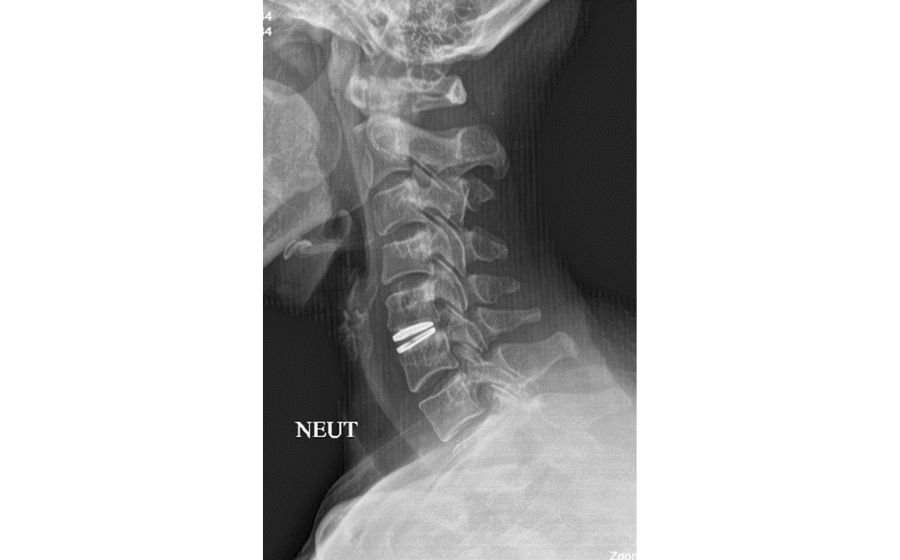
Cervical disc replacement is an advanced alternative to fusion for select patients with disc herniation or degeneration in the neck. Instead of fusing the bones, the damaged disc is removed and replaced with an artificial disc that preserves natural neck motion. This maintains mobility while relieving pressure on the nerves and spinal cord. ADR is designed to reduce pain, improve function, and lower the risk of adjacent level degeneration in the long term.
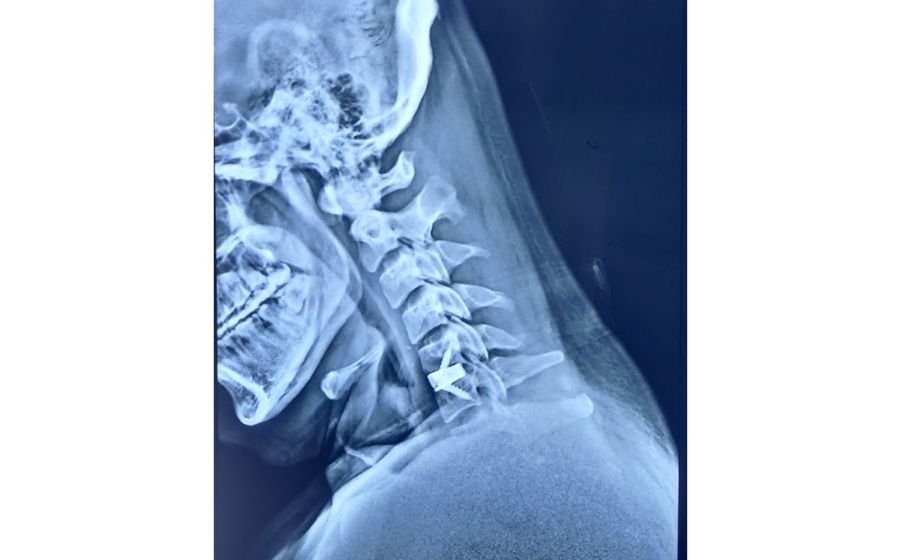
ACDF is performed when a damaged cervical disc compresses the spinal cord or nerves, causing neck pain, arm pain or tingling. The surgeon removes the diseased disc from the front of the neck and places a spacer to maintain height and alignment, followed by a small plate or cage for stability. This relieves pressure on the nerves and allows the bones to fuse naturally over time. ACDF helps restore neck function, reduce pain, and prevent further nerve damage.
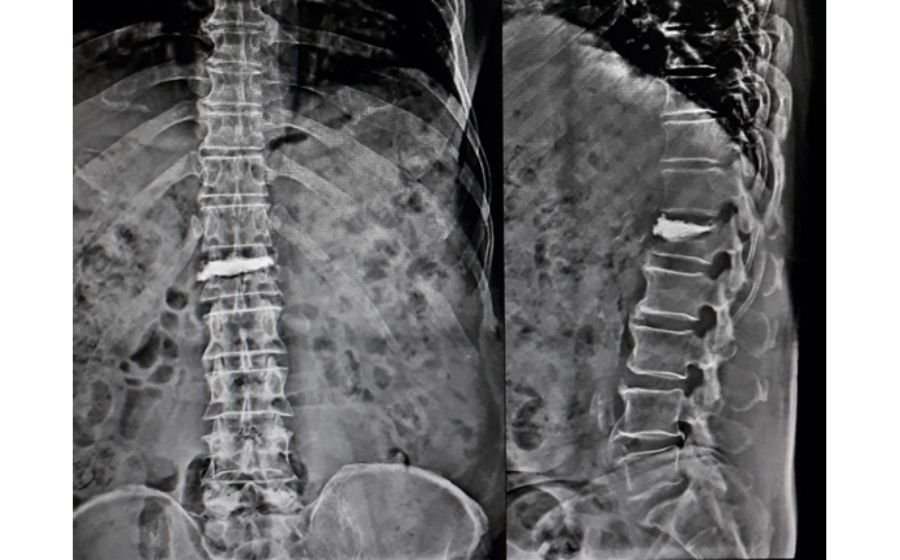
Vertebroplasty is a minimally invasive procedure used to treat painful spinal fractures, most commonly caused by osteoporosis. A special medical cement is injected into the weakened vertebra to stabilize it and prevent further collapse. This provides rapid pain relief and improves mobility, allowing patients to return to daily activities sooner. The procedure is safe, quick, and especially helpful for elderly patients with fragile bones.
Kyphoplasty is a specialized procedure performed for painful vertebral compression fractures that cause loss of height or forward bending. A small balloon is inserted into the fractured bone and gently inflated to restore height before the space is filled with medical cement. This stabilizes the vertebra, relieves pain, and helps correct spinal alignment. Kyphoplasty can significantly improve posture and comfort, particularly in patients with osteoporosis-related fractures.
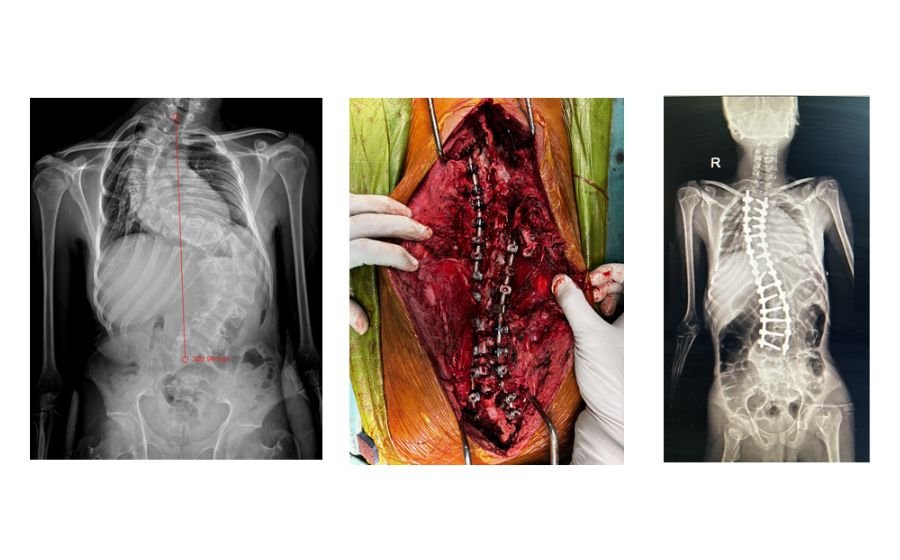
Scoliosis surgery is performed when a spinal curve becomes severe enough to affect posture, balance, breathing, or overall comfort. The procedure straightens and stabilizes the spine using screws and rods, allowing the bones to fuse in a corrected position. Throughout the surgery, advanced neuromonitoring is used to continuously check the function of the nerves and spinal cord, adding an extra layer of safety and ensuring precise, protected correction. The goal is to restore alignment, prevent curve progression, and help patients stand straighter and return confidently to daily life.
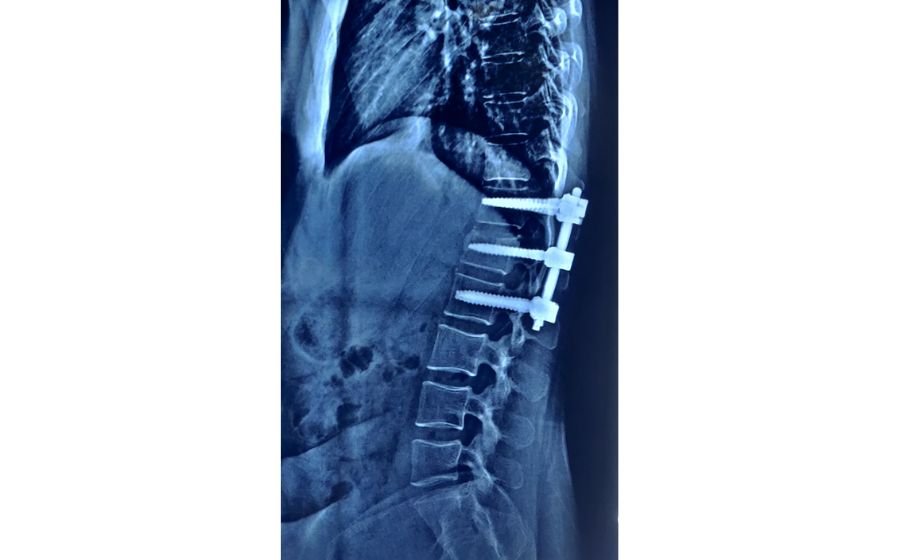
Fracture fixation is performed to stabilize broken bones in the spine after trauma, falls, or accidents. When a fracture is unstable or risks damaging the spinal cord or nerves, screws and rods are used to realign and support the injured segment. Modern minimally invasive techniques allow stabilization through small incisions, reducing pain and speeding up recovery. The goal is to restore spinal stability, protect nerve function, and help patients return safely to their daily activities.
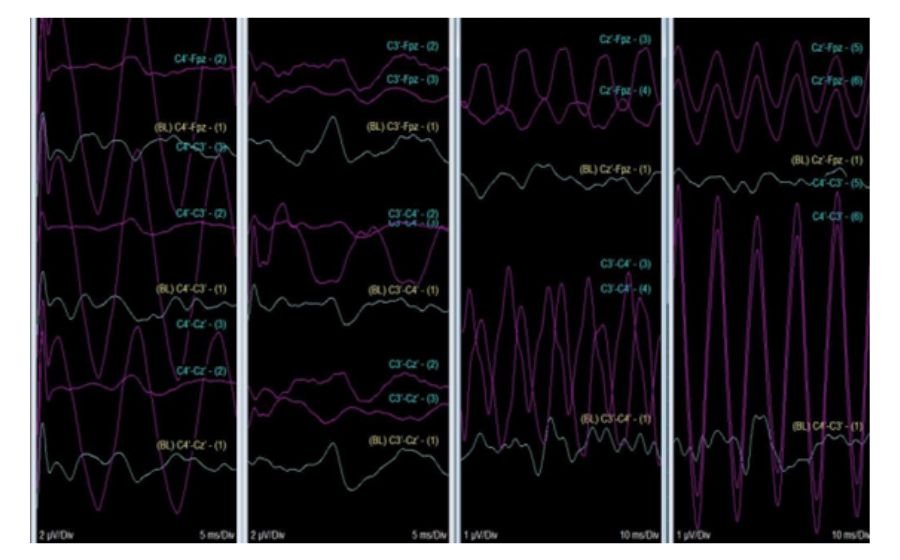
Neuromonitoring is a safety technology used during spine surgery to continuously check the function of the nerves and spinal cord. It helps the surgical team detect any changes in nerve signals in real time, allowing adjustments to be made immediately to prevent injury. This added layer of protection is especially important in complex procedures such as deformity correction, cervical surgery, and revision cases. Neuromonitoring enhances surgical precision, improves safety, and supports better long-term outcomes for patients.
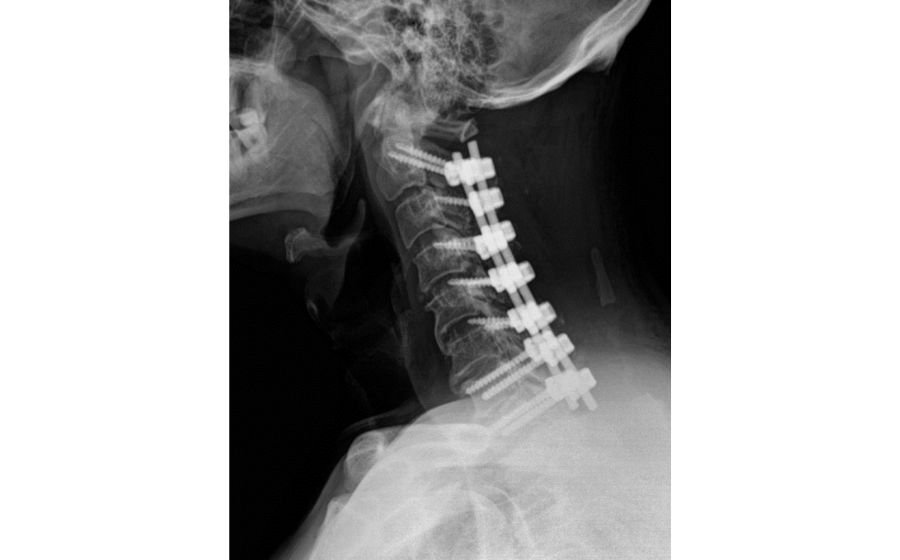
Cervical lateral mass fixation is a stabilization procedure used to treat neck instability caused by trauma, degeneration, tumors, or previous surgery. Screws and rods are placed into the lateral masses of the cervical vertebrae to restore alignment and protect the spinal cord and nerves. Throughout the procedure, intraoperative neuromonitoring is used to continuously track nerve function, enhancing safety and reducing the risk of neurological injury. This technique provides strong support, improves neck stability, and helps patients return to comfortable and confident movement.
WhatsApp us