Back & Neck Pain Management
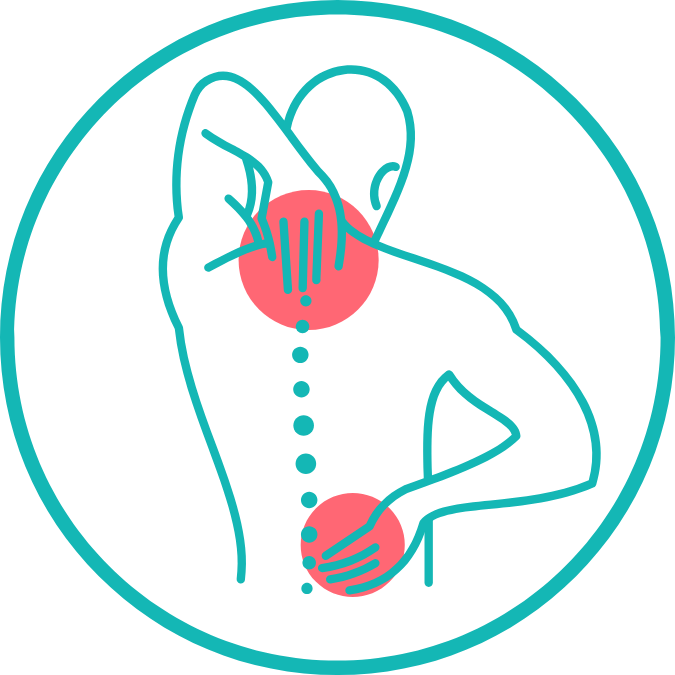
Back and neck pain usually start when the muscles, ligaments or spinal discs get strained or irritated. Continuous sitting, wrong posture and age-related disc changes are the main triggers. When these structures lose their natural support, the surrounding nerves become sensitive causing pain that may spread to the arms or legs. Treatment focuses on identifying the exact reason through clinical examination and scans, then correcting posture, improving muscle strength and calming the irritated nerves with medications or targeted procedures. For persistent cases, minimally invasive treatments help relieve pressure on nerves and restore comfortable movement.
Cervical Disc Problem
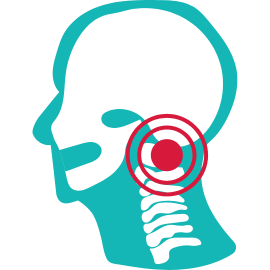
A cervical disc problem occurs when the disc in the neck bulges or slips out of its normal space. This pushes against nerves or the spinal cord, resulting in neck pain, shoulder pain or tingling in the hands. The condition is often due to repetitive strain, sudden jerks or gradual disc wear. Diagnosis is done through MRI and neurological testing to check nerve function. Mild cases respond well to rest, physiotherapy and medications, while severe compression may require procedures such as cervical discectomy or disc replacement to restore normal neck movement and prevent long-term nerve damage.
Lumbar Disc Problem
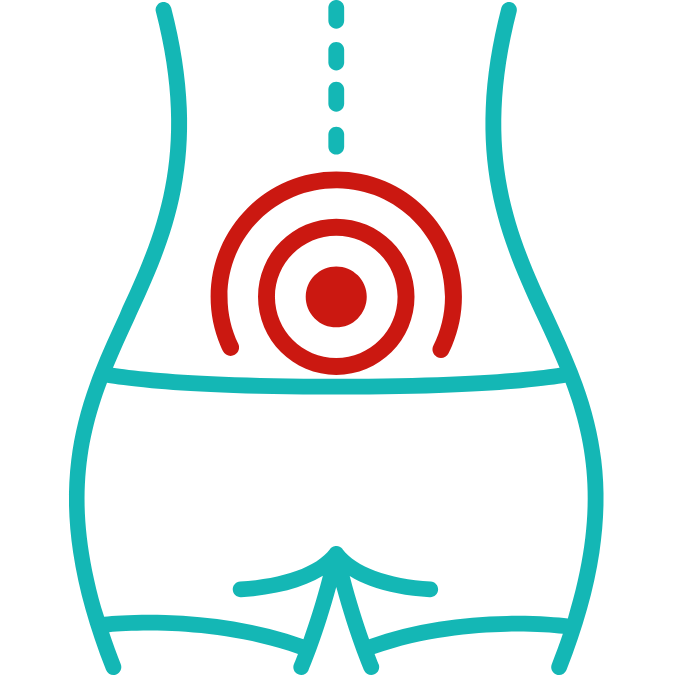
The lumbar region handles most of the body’s weight, making it more prone to disc bulges and herniation. When the disc presses on the sciatic nerve, pain travels down the leg, making walking or bending difficult. The first step in management is confirming the nerve compression using MRI and clinical tests. Initial treatment includes physiotherapy, pain relief and lifestyle correction. If the nerve remains pinched even after conservative care, minimally invasive surgeries like microdiscectomy or endoscopic discectomy help remove the bulged disc portion and relieve the leg pain immediately.
Spinal Deformity (Scoliosis & Kyphosis)
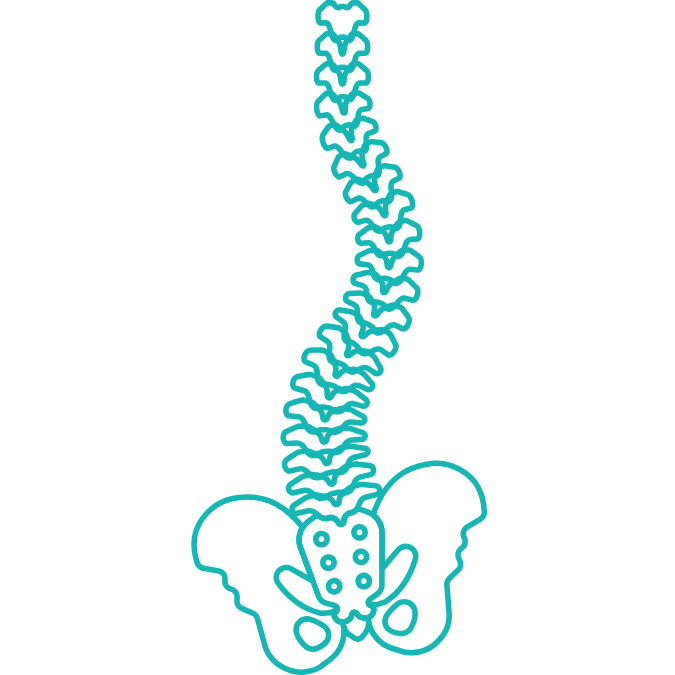
Spinal deformity develops when the spine bends sideways (scoliosis) or forward excessively (kyphosis). This affects posture, balance and sometimes breathing. Children often develop scoliosis during growth, while adults may develop deformity due to degeneration or past injuries. Evaluation includes full-length spine X-rays and alignment studies. Treatment depends on the curve severity—small curves are watched, moderate curves may need bracing, and larger curves require corrective surgery. Modern techniques allow safer correction with navigation systems ensuring precise spine alignment and long-term functional improvement.
Pain & Spasticity Treatment
Spasticity occurs when nerve pathways controlling muscle movements become overly active. This leads to tightness, stiffness and involuntary spasms, commonly seen in spinal cord compression, stroke or neurological issues. Treatment starts with identifying the affected nerve pathways, then relaxing the muscles through medications, physiotherapy and stretching techniques. When stiffness is severe, targeted therapies such as Botox injections or nerve-focused procedures help reduce muscle overactivity, allowing smoother movement and better comfort during daily activities.

DREZ Lesioning
DREZ lesioning is a specialized procedure done for patients suffering from long-standing nerve pain that does not respond to any medication or injections. This pain usually occurs after nerve-root avulsion injuries such as brachial plexus trauma. The surgery works by altering the tiny nerve entry points inside the spinal cord that are responsible for sending abnormal pain signals to the brain. By targeting these zones under high magnification, the surgeon can significantly reduce or completely stop the chronic neuropathic pain, giving long-term relief and improving overall daily function.

Minimally Invasive Spine Surgery (MISS)
MISS is an advanced method where spine surgery is performed through very small cuts without disturbing the surrounding muscles. Using special tubes, cameras and navigation systems, the surgeon reaches the affected area directly with minimal tissue damage. This technique reduces blood loss, hospital stay and recovery time. MISS is useful for disc problems, nerve compression, small tumors and certain fractures. Patients can usually walk within hours and return to normal life much sooner compared to traditional open surgery.
Pediatric Spine Surgery
Children’s spine problems require careful evaluation because their bones are still growing. Conditions like congenital scoliosis, spinal infections and injuries can affect future growth and posture if untreated. The treatment plan depends on the child’s age, type of deformity and progression risk. Some children need only observation or bracing, while others may require surgery using growth-friendly implants. The goal is to correct the deformity safely, preserve spinal movement and ensure normal development as they grow.
Osteoporosis & Vertebral Compression Fractures
Osteoporosis causes bones to become weak and fragile, especially in older adults. Even simple movements like bending or coughing can lead to spinal compression fractures. These fractures cause sudden sharp pain and limit mobility. Diagnosis involves bone strength assessment and imaging to check the fracture level. Early treatment includes pain relief and medications to improve bone density. In patients with severe pain, vertebroplasty or kyphoplasty stabilizes the fractured bone internally, providing near-immediate pain relief and helping them return to normal activities quickly.
Spinal Tumors
Spinal tumors may develop within the spinal cord, around the spinal nerves or inside the vertebrae. They can cause persistent back pain, weakness or difficulty walking as they grow. Diagnosis requires MRI, CT scans and sometimes biopsy. Treatment depends on whether the tumor is benign or malignant. Options include surgical removal, stabilizing the spine if weakened, and coordinating with cancer specialists for additional therapy. The main objective is to remove pressure from the spinal cord and nerves while preserving as much function as possible.
Spine Degeneration
As people age, their discs dry out, joints become stiff and ligaments thicken, leading to chronic back pain and reduced flexibility. This natural wear and tear process is known as spine degeneration. Patients often feel pain during bending, standing or long sitting. Managing this condition involves improving spine movement through physiotherapy, medications, ergonomic changes and targeted injections. In advanced cases where nerve compression or instability occurs, surgical options help restore stability and relieve pressure on the nerve roots.
Spine Fracture Treatment
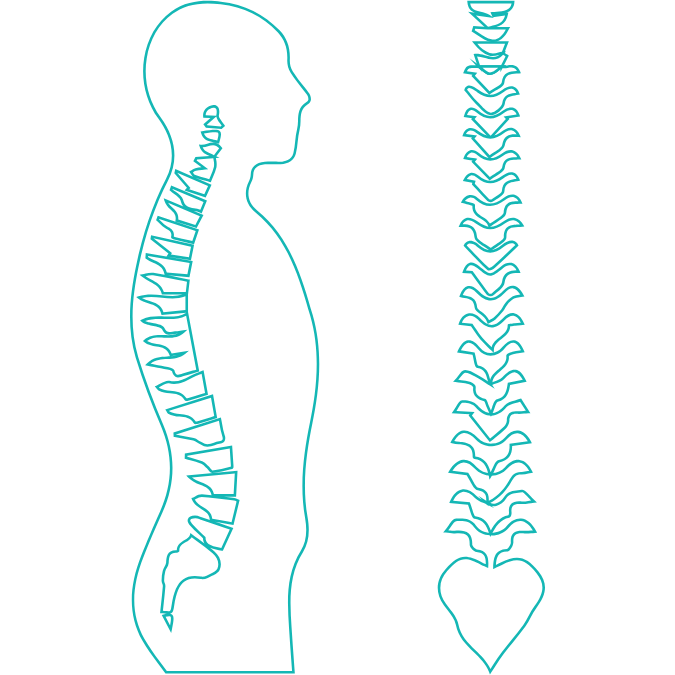
Spine fractures result from falls, accidents or weakened bones. Some fractures heal with rest and bracing, while others may cause instability and risk nerve injury. Evaluation is done using X-rays, CT scans and neurological assessment. Stable fractures are managed conservatively, but unstable or painful fractures may require procedures like vertebroplasty, kyphoplasty or minimally invasive screw fixation. The aim is to stabilize the spine quickly, reduce pain and allow safe movement without long-term complications.