Common Spine Problems
- Home
- Common Spine Problems
Common Spine Problems
Sciatica
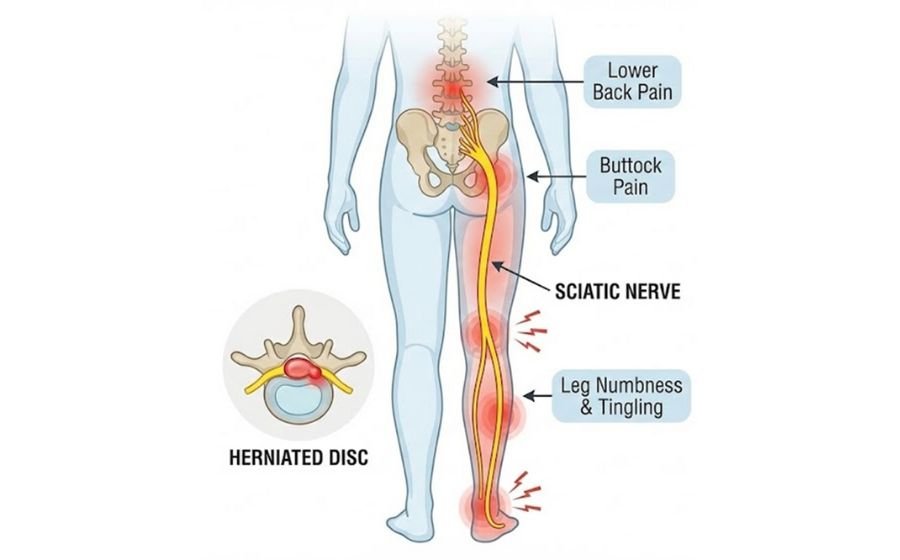
Sciatica refers to pain that travels from the lower back down the leg due to irritation or compression of the sciatic nerve—most commonly from a slipped disc, spinal stenosis, or muscle spasm. Patients may experience sharp pain, tingling, or numbness along the leg, often worsened by sitting or bending. Diagnosis is made through clinical examination and MRI to identify the exact cause. Treatment includes physiotherapy, medications, and targeted nerve root injections. In cases where symptoms persist, minimally invasive procedures or discectomy can provide lasting relief and restore normal movement.
Spinal Stenosis
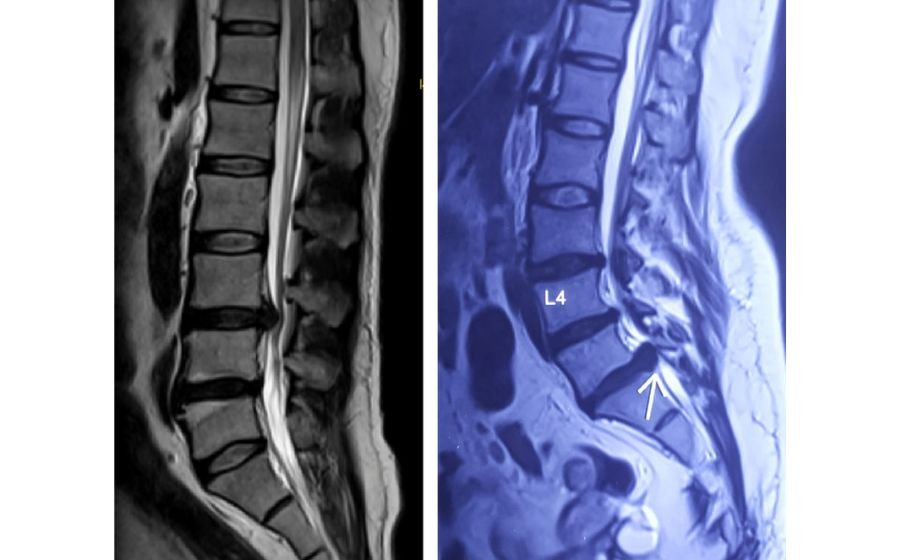
Spinal stenosis occurs when the spinal canal becomes narrowed due to age-related changes, disc bulges, arthritis, or thickened ligaments. This narrowing puts pressure on the nerves, causing back pain, leg pain, numbness, or difficulty walking long distances. Diagnosis is made with MRI or CT scans to assess nerve compression. Treatment includes physiotherapy, medications, and targeted injections to reduce inflammation. In patients with persistent symptoms, minimally invasive decompression surgery helps relieve pressure on the nerves and restores comfortable walking and daily activity.
Spondylolisthesis
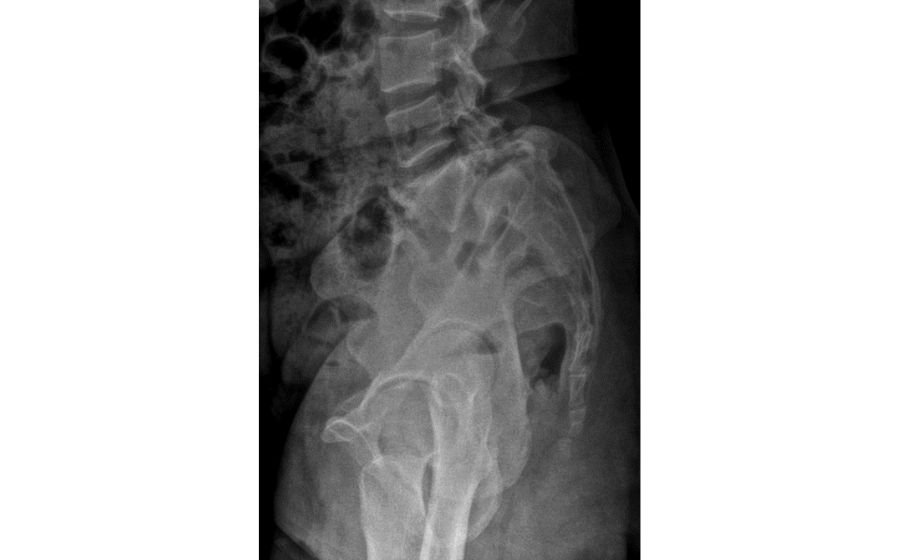
Spondylolisthesis occurs when one vertebra slips forward over the one below it, often due to aging, arthritis, stress fractures, or congenital weakness. This slippage can narrow the spinal canal and press on nerves, causing back pain, leg pain, tingling, or difficulty standing and walking. Diagnosis is made using X-rays and MRI to assess the degree of slip and nerve compression. Treatment includes physiotherapy, core strengthening, medications, and targeted injections. In cases with instability or persistent symptoms, minimally invasive or fusion surgery helps restore alignment, relieve nerve pressure, and improve long-term stability and mobility.
Cervical Myelopathy
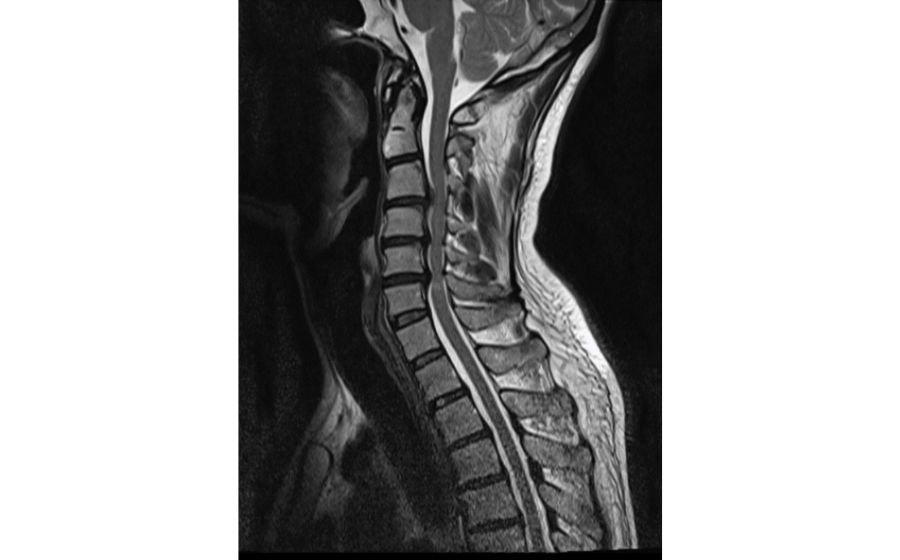
Cervical myelopathy occurs when the spinal cord in the neck is compressed due to disc degeneration, ligament thickening, or arthritis. This pressure can cause imbalance, hand clumsiness, difficulty walking, and weakness in the arms or legs. Early diagnosis with MRI is crucial because symptoms can gradually worsen over time. Treatment focuses on decompressing the spinal cord—often through ACDF, cervical disc replacement, or posterior decompression—to prevent progression and improve function. Surgery aims to protect the spinal cord, restore stability, and enhance mobility and quality of life.
Spondylodiscitis (Spinal Infection)
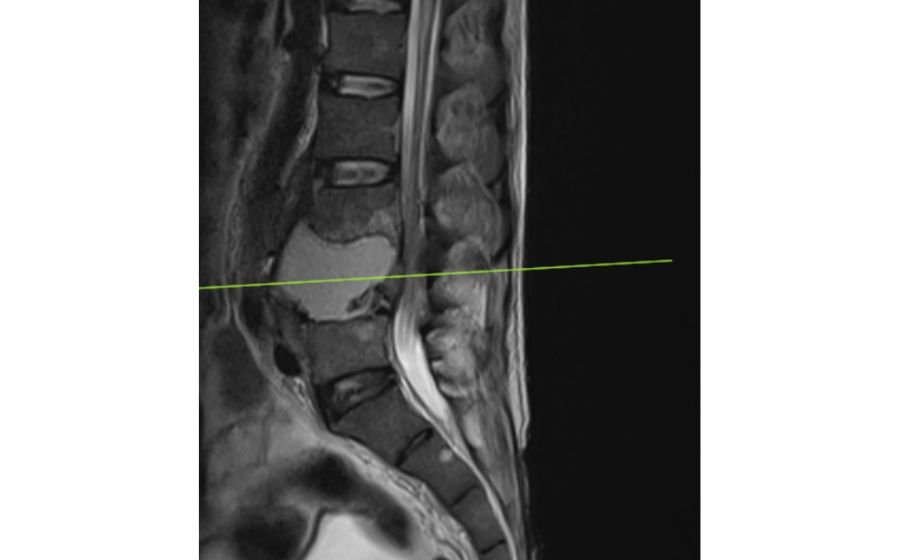
Spondylodiscitis is an infection that affects the discs and nearby vertebrae, usually caused by bacteria (most commonly tuberculosis infection in India) spreading through the bloodstream. Patients may experience persistent back pain, fever, and difficulty walking. Diagnosis is made using blood tests, MRI, and sometimes biopsy to identify the exact infection. Treatment involves targeted antibiotics, rest, and bracing to control pain and prevent further damage. In cases with instability or nerve compression, minimally invasive or open surgery is performed to clear the infection and stabilize the spine. The aim is safe recovery, infection control, and long-term spinal stability.
Spinal Fractures
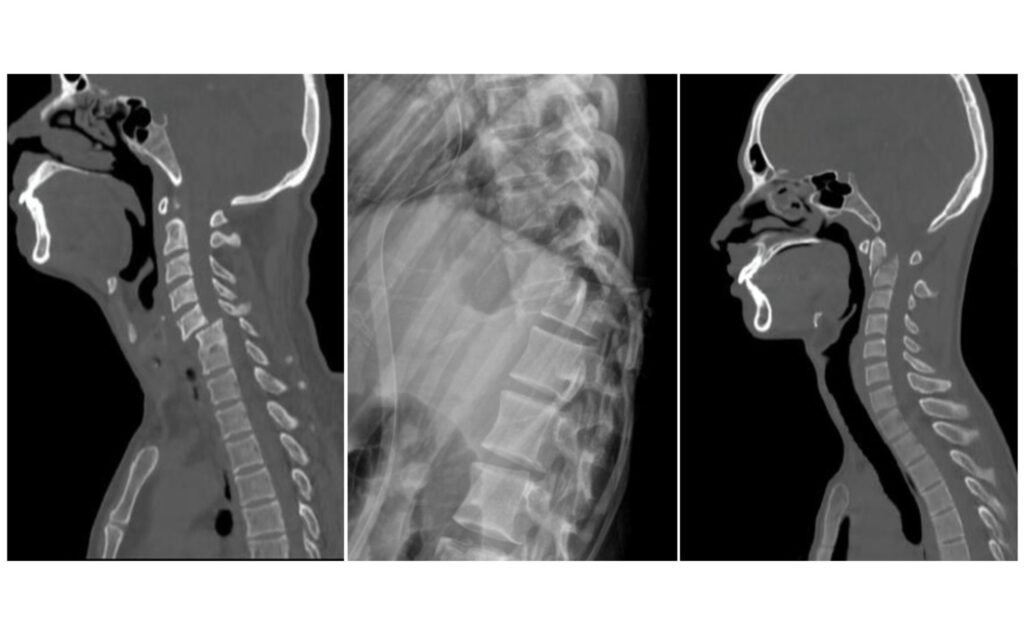
Spinal fractures commonly occurs at thoracolumbar and cervical region, usually following falls, road accidents, or high-impact injuries. These fractures can cause severe neck or back pain, limited movement, and, in some cases, pressure on the spinal cord or nerves resulting paralysis of all limbs. Evaluation includes X-rays, CT, and MRI to determine stability and the need for intervention. Treatment ranges from bracing and rest for stable fractures to minimally invasive or open surgery for unstable injuries. The goal is to restore spinal stability, prevent nerve damage, and help patients return safely to normal activity.
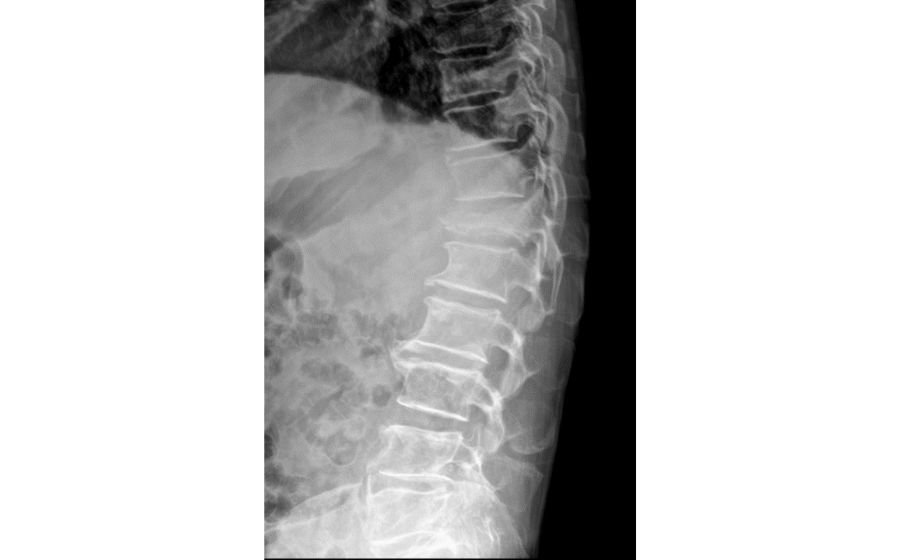
Osteoporotic Fractures
Osteoporotic fractures occur when weakened bones—most commonly in the spine due to osteoporosis—collapse even with minimal strain or a simple fall. These fractures can cause sudden back pain, loss of height, and forward bending of the spine. Diagnosis is made through X-rays, MRI, and bone density testing to assess bone strength. Treatment includes pain control, bracing, and medications to improve bone health. Minimally invasive procedures such as vertebroplasty or kyphoplasty can provide rapid pain relief and prevent further collapse. The focus is on restoring comfort, mobility, and long-term bone protection.
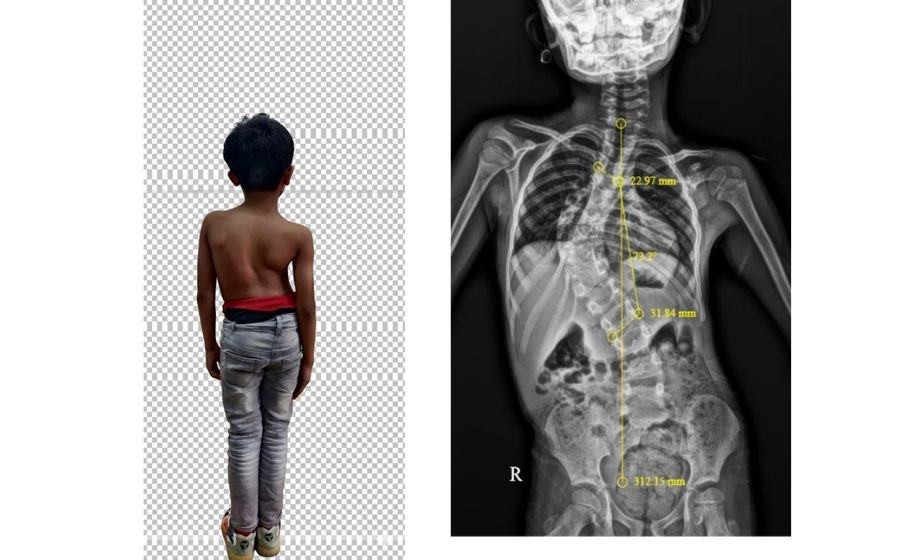
Spine Curves
Spinal deformities occur when the spine curves abnormally—sideways in scoliosis or forward in kyphosis. These changes can affect posture, balance, back pain, and sometimes breathing. Children may develop scoliosis during growth, while adults often develop deformity from degeneration, arthritis, or previous spine problems. Evaluation includes full-length X-rays and alignment analysis. Treatment depends on curve severity: smaller curves are observed, moderate curves may need bracing, and larger curves can require corrective surgery. Advanced modern techniques ensure safer correction, improved alignment, and long-term functional recovery.
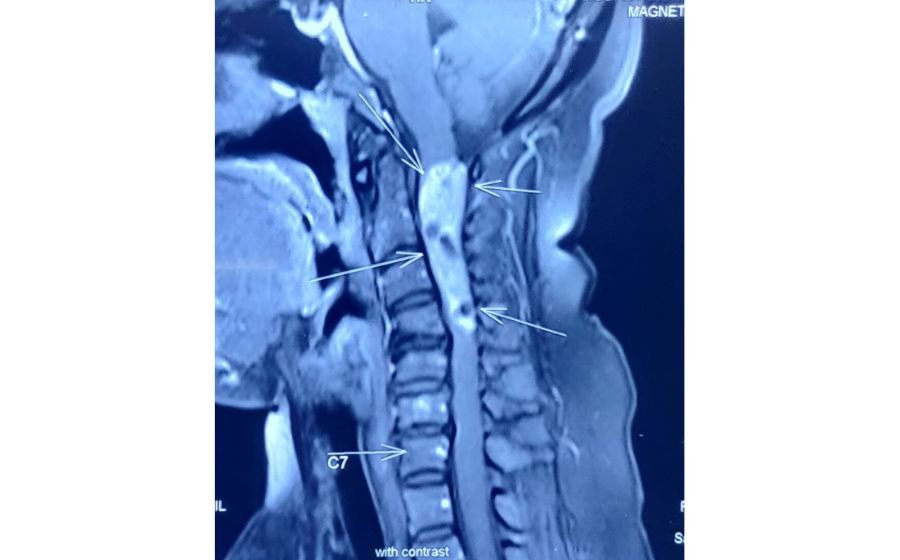
Spinal Cord Tumors
Spinal cord tumors are abnormal growths that develop within or around the spinal cord, affecting nerve function and causing symptoms such as back pain, weakness, numbness, or difficulty walking. MRI is essential for accurate diagnosis and to understand the tumor’s location and impact on the spinal cord. Treatment is individualized and may include observation, surgery, or radiotherapy depending on the tumor type and symptoms. When surgery is required, the goal is to safely remove or reduce the tumor, relieve pressure on the spinal cord, and preserve neurological function to improve quality of life.
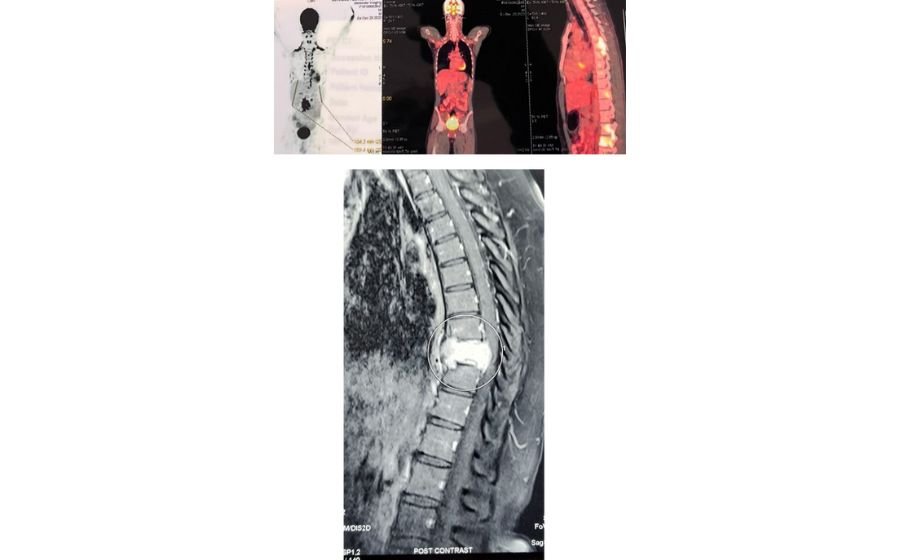
Metastatic Spinal Tumors
Metastatic spinal tumors occur when cancer from another part of the body spreads to the spine, causing neck or back pain, nerve compression, or spinal instability. Early evaluation with MRI and CT scans helps assess the extent of involvement and the risk of spinal cord pressure. Treatment is tailored to the patient’s overall condition and may include medications, radiotherapy, minimally invasive stabilization, or decompression surgery. The goal is to relieve pain, protect nerve function, restore stability, and improve quality of life while working closely with oncology specialists.
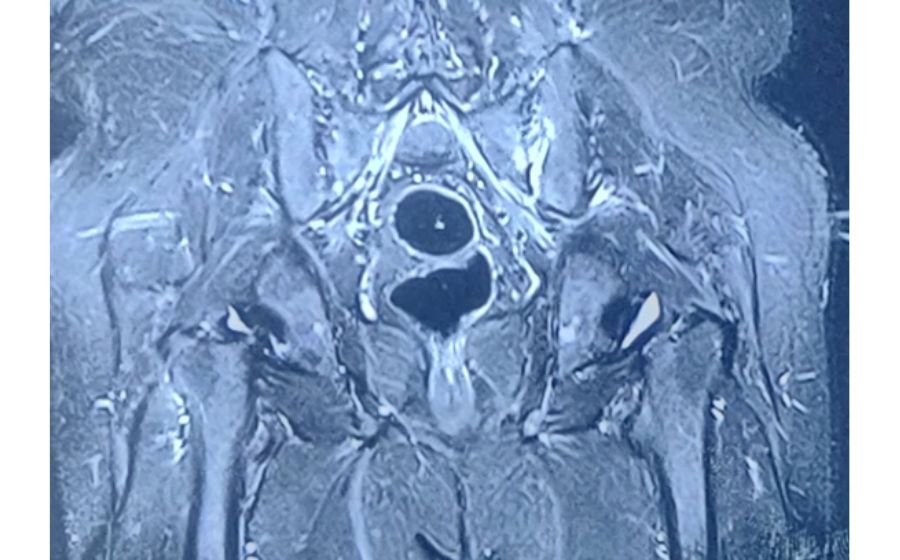
SI Joint Dysfunction
SI joint dysfunction occurs when the sacroiliac joint—located between the spine and pelvis—becomes inflamed or unstable. This can cause sharp lower-back pain that often radiates to the buttock or thigh, and may worsen with prolonged sitting, standing, or climbing stairs. Diagnosis is made through clinical tests and image-guided injections to confirm the pain source. Treatment includes physiotherapy, core strengthening, medications, and targeted injections. In persistent cases, minimally invasive SI joint fusion offers lasting stability and significant pain relief.
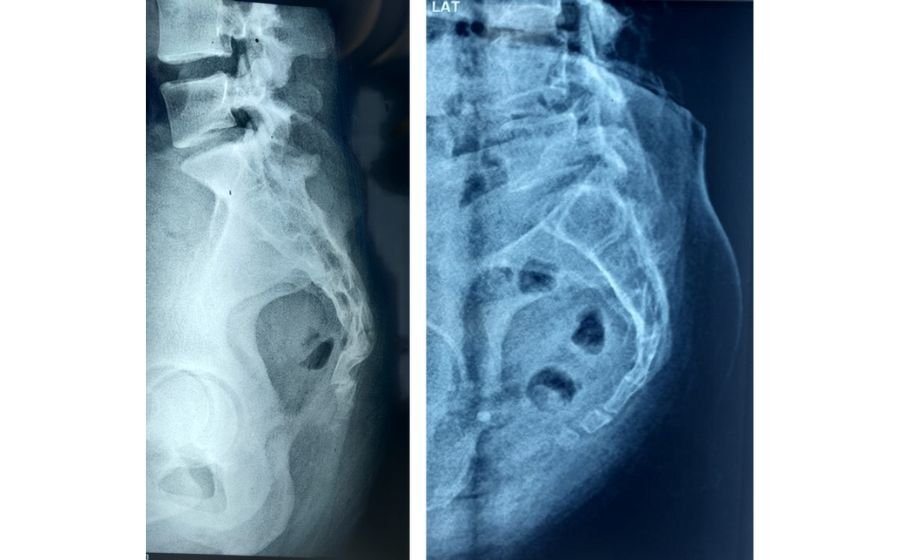
Coccydynia (Tailbone Pain)
Coccydynia refers to pain in the tailbone that commonly occurs after a fall, prolonged sitting, childbirth, or repetitive strain. Patients often feel sharp discomfort while sitting, rising from a chair, or leaning back. Diagnosis includes a clinical examination and imaging to rule out fractures or misalignment. Treatment focuses on relieving inflammation through cushions, posture correction, medications, and physiotherapy. In persistent cases, image-guided injections or minimally invasive procedures can provide long-lasting relief and restore comfortable daily movement.